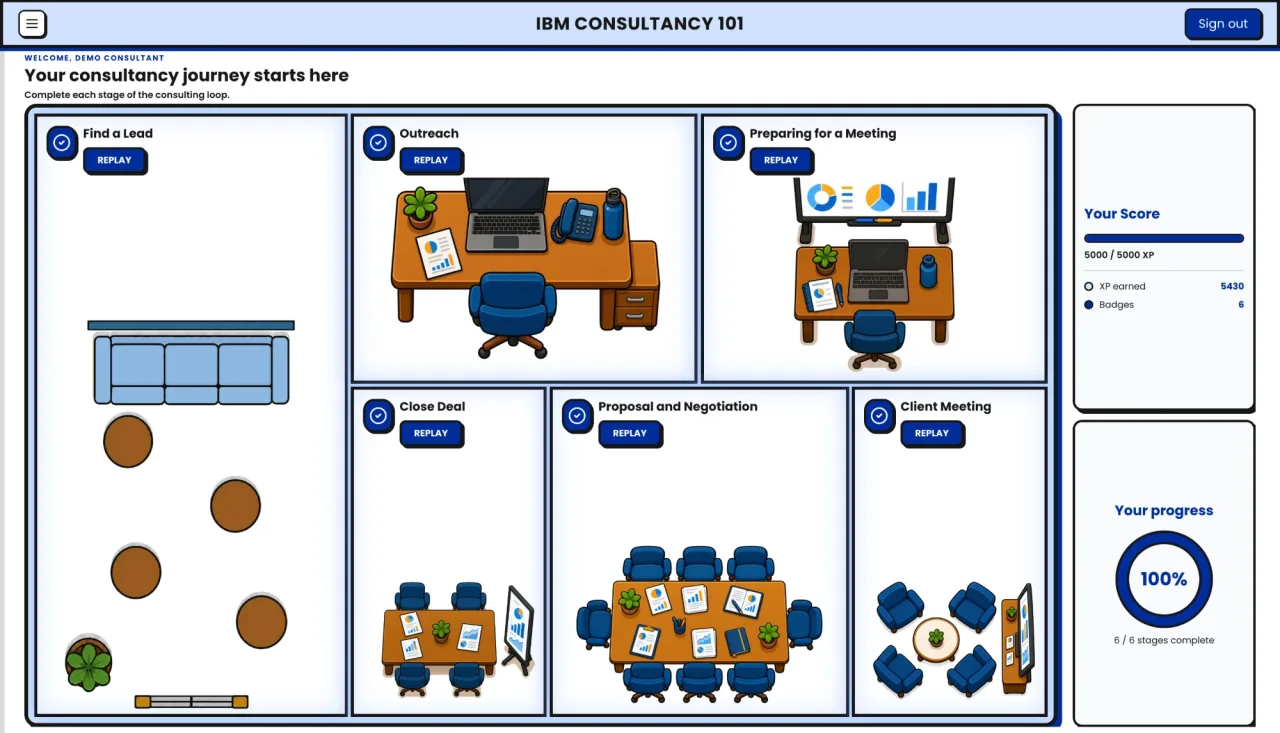
IBM AI Consulting Game
An AI powered 2D RPG style simulation game that trains junior and graduate consultants. Capstone project with IBM.
These are some of the cool stuff I have built.
An AI powered 2D RPG style simulation game that trains junior and graduate consultants. Capstone project with IBM.

Upload any document, choose the fields you need and get clean JSON back. Claude handles the extraction. Full stack app deployed on AWS.
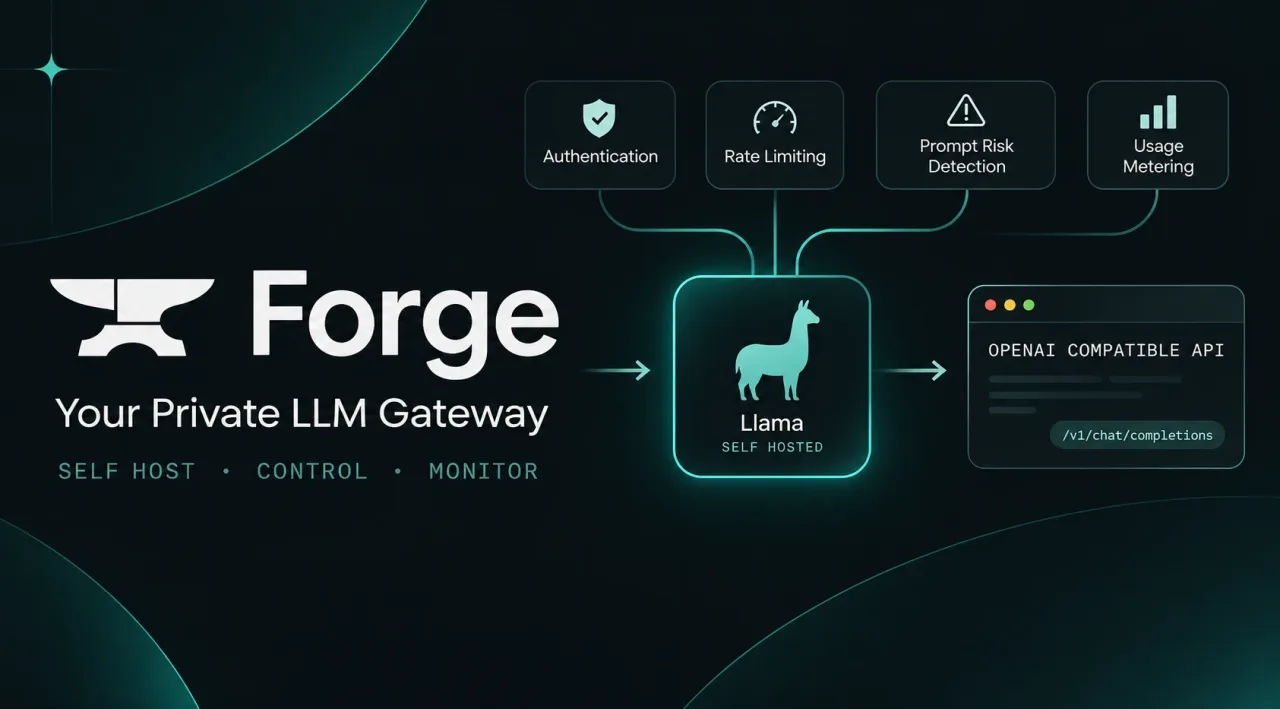
A self hosted LLM gateway with an OpenAI compatible API. Adds API keys, rate limiting, prompt risk checks and usage tracking to a private Llama model.
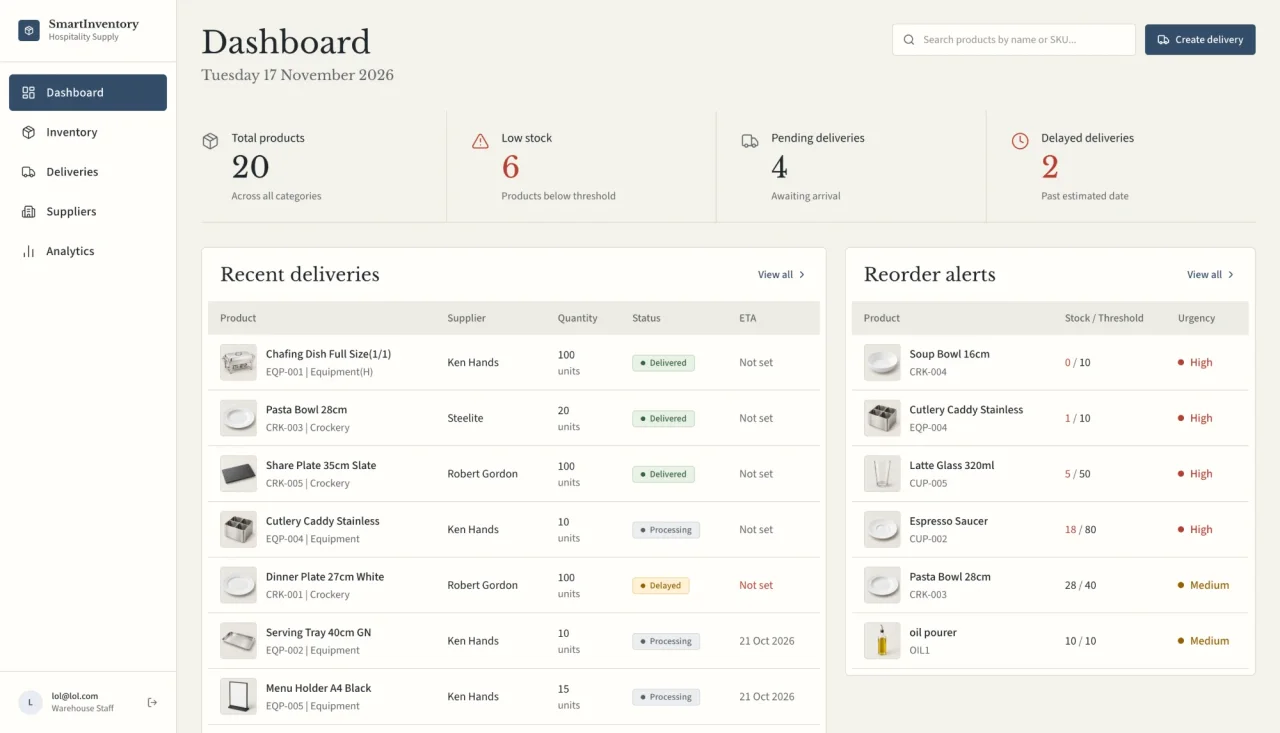
A warehouse platform for hospitality suppliers. Tracks stock and deliveries and uses machine learning to predict when products will run out.
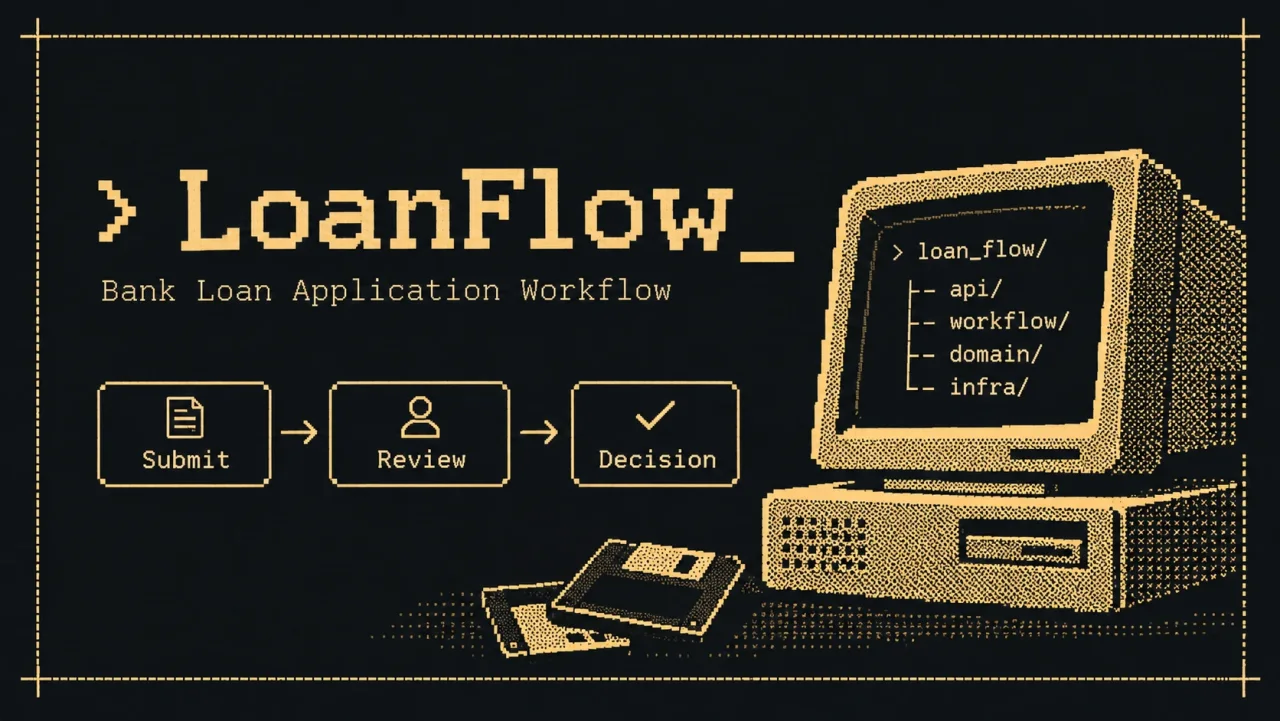
A loan application backend modelled on Australian banking systems. Camunda runs the approval workflow with role based access for each user type.
A real time data pipeline that turns simulated web traffic into live metrics on a dashboard.
A batch data pipeline that combines three sources into a tested warehouse, runs daily and powers a dashboard. Built on synthetic data.

A machine learning pipeline that predicts how many views a YouTube video gets per day from its length, age, likes and comments.
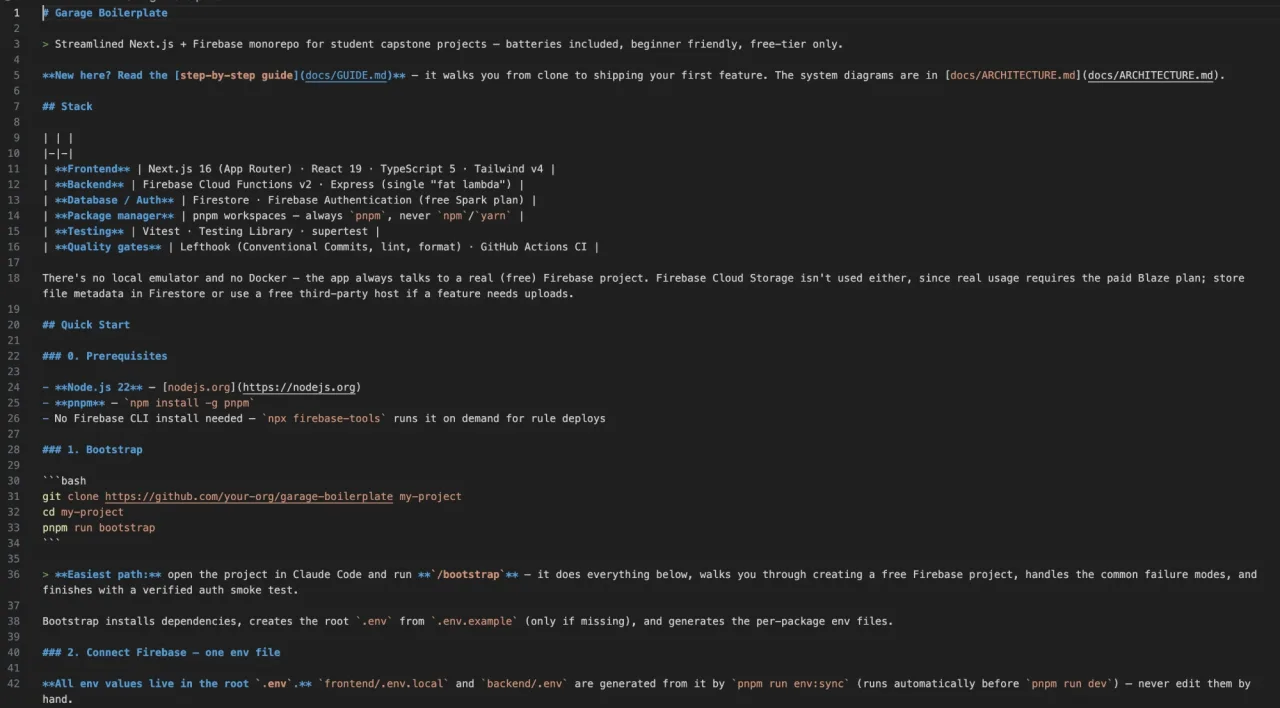
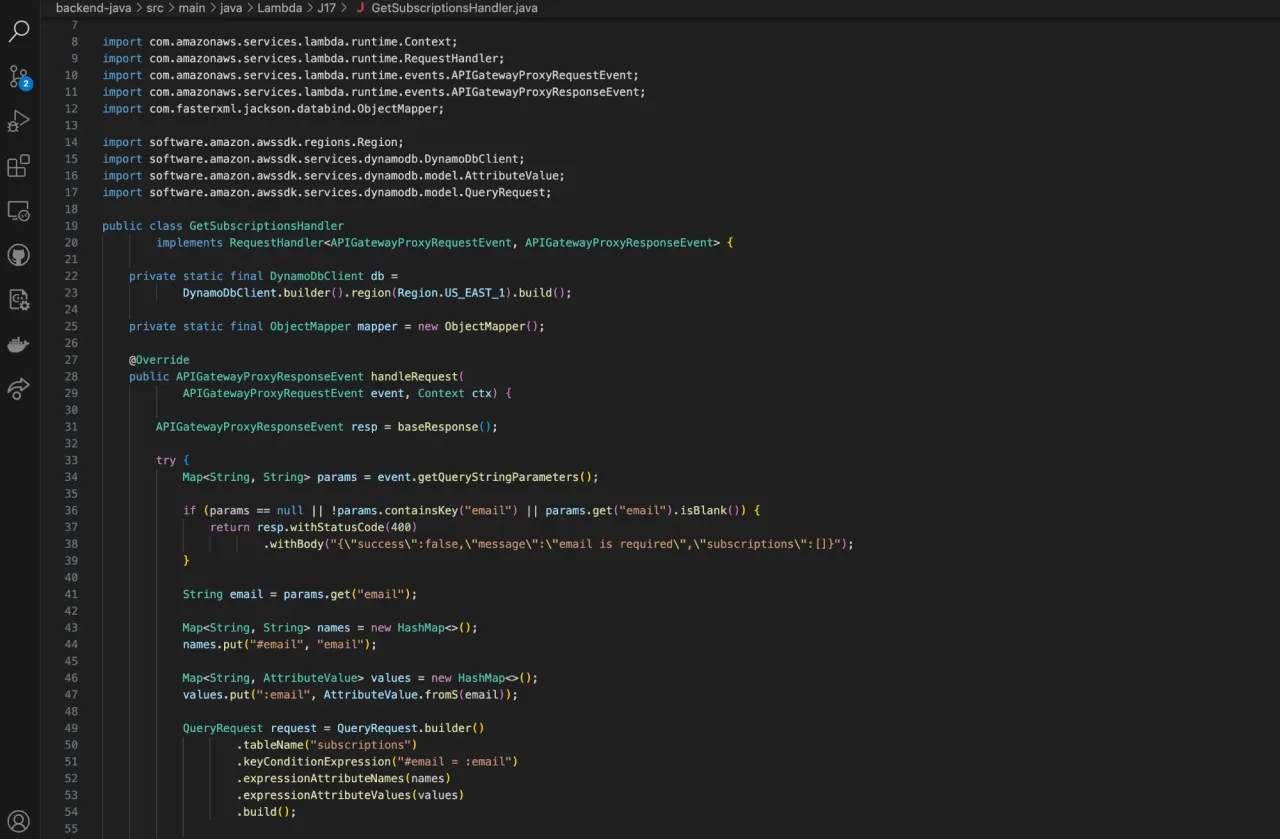
A music subscription web app on AWS. The same Java backend runs on EC2, in a Docker container on ECS and as Lambda functions to compare the three.
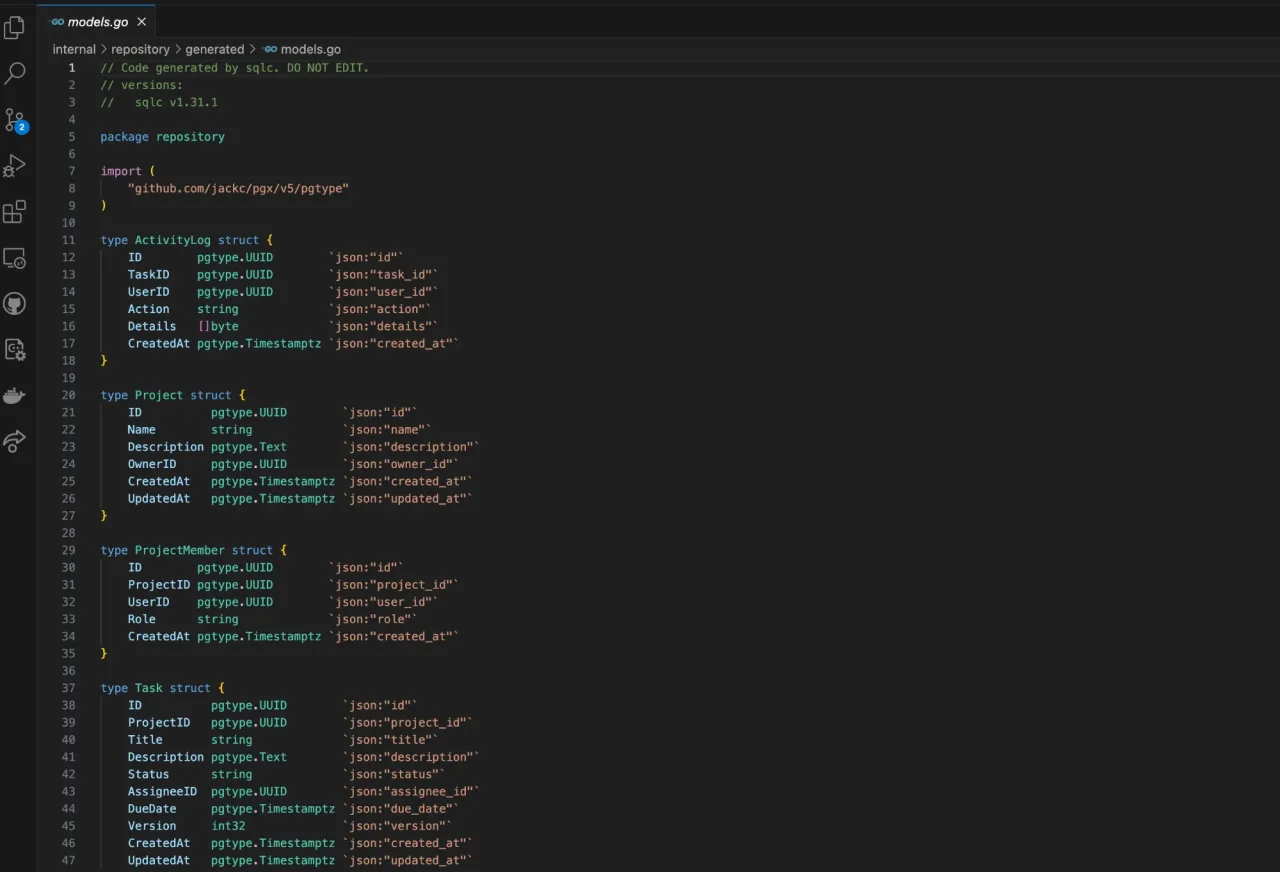
A project and task management API in Go with a schema built for task dependencies, audit history and safe concurrent edits.
Consultancy 101 is an AI powered consulting simulation built as a 2D RPG style game. It is designed to help junior and graduate consultants build their skills.
It was my RMIT capstone project, built for IBM as the industry client over three sprints.
Built for laptops and iPads. It runs on phones too, but is not designed for mobile.
Most extraction tools are built for one document type. In Parsify the schema is just data. A user uploads a document, picks or creates a schema, and gets exactly those fields back as structured JSON.
The same engine works for an invoice today and a medical referral tomorrow with no code changes. I built it end to end, from the database through to cloud deployment.
The live app is offline to save hosting costs. The code is on GitHub.
Running an open model keeps data private and costs predictable, but a raw model server has none of what a real API provides. Forge is that missing layer.
It puts a self hosted Llama model behind an OpenAI compatible API, with keys, rate limits, safety checks and usage tracking for each client. It is aimed at settings where prompts cannot leave the network.
A full stack warehouse platform for hospitality suppliers. It tracks stock across crockery, cups and equipment, manages inbound deliveries and predicts when products will run out so staff can reorder in time.
LoanFlow models how a bank handles loan applications, from submission through to officer review. I built it to learn the Java enterprise stack used by large Australian banks and insurers, with a real workflow engine rather than hand written workflow logic.
In progress. Next up: officer review endpoints, Kafka notifications, integration tests with Testcontainers and CI.
Debugging real integration problems, including a Postgres port conflict, Camunda history cleanup and getting Flyway to work with a database Camunda had already set up.
An event driven data pipeline. A Python simulator publishes realistic web traffic to Kafka, three independent consumers turn it into raw logs, live session state and 60 second metrics, and a dashboard shows the results live.
It is the streaming counterpart to my batch Retail Analytics Pipeline.
Topics, partitions, consumer groups and offsets in practice, windowed aggregation and keeping consumers correct across crashes and restarts.
A simulated online store keeps its data in three systems that do not talk to each other: a live database, a legacy system that exports daily CSV files and a shipping partner API. This pipeline joins them automatically so simple business questions get answered.
All data is synthetic and the business is simulated.
A machine learning pipeline that takes YouTube video data and predicts the average number of views a video gets per day.
A music subscription web app built on AWS as a university group project. Users register, log in, search a song catalogue and subscribe to or unsubscribe from songs.
Most of the work went into running the same Java backend three different ways to compare AWS compute options.
A backend for managing projects and tasks, built to practise production patterns in Go rather than simple CRUD. The data model covers project roles, task dependencies and an audit log of every change.
In progress. The schema, migrations and data layer are complete. Next up: authentication, task endpoints, dependency cycle checks and CI.